Tips For Anime Character Design: Female Original Character
Here I am again, with an article to guide you, step by step, in developing original characters for your manga. This time, I’m going to focus on sharing tips for anime character design! 😉
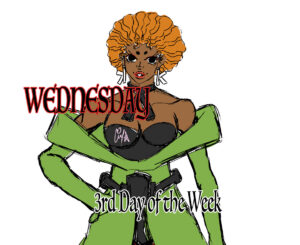
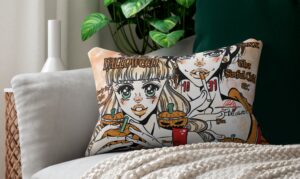
CindyMBK’s illustration of Kayla Ilunga from the Sinful Child
As I mentioned in my previous article, you should find your inspiration in a manga whose art style inspires you. Every artist has a foundation to build upon, and none of their ideas sprang from their minds by divine intervention.
However, there’s a real difference between being inspired and copying—two very distinct things. The latter involves reproducing more than 90% of the design of a character that has made an impression on you—and I understand your dedication, as your intentions are certainly not malicious—but you must absolutely avoid falling into that trap. As for the former, we’re talking about paying homage to a work you love that brings you to create your own original characters.
Here are two simple tips for anime character design to apply.
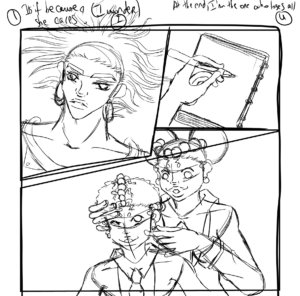
Art Sketches of The Sinful Child Remastered Version
First Step of Anime Character Design Tip: Drawing Style
Manga VS Comics :
In my own experience, I was inspired by manga and comics, particularly their design. Manga style—depending on the artist—tends to give its characters smoother features, unlike comics, which tend to be more realistic.
You can see the difference between this first chapter, which introduces Kayla in The Sinful Child, and the mug dedicated to her, Good Afternoon Mug, where you can feel my style has taken a new direction, towards a more pronounced character feature.
American comics are particularly inspiring for the remastered version of my story, because I felt Killian’s features were too “smooth” for my taste. I was satisfied at first, but over time, I realised that I wanted the character to be more imposing. This is how works like Batman, JoJo’s Bizarre Adventure and Battle Royale in Japan helped me make a complete 180-degree turn and adopt an appearance more in line with my character.
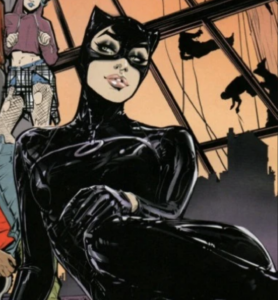
Similarly, for female characters, I like the firm sculpting of Wonder Woman and the more realistic silhouettes of Catwoman or Poison Ivy. These characters helped me rethink how I draw Kayla. However, I also like the slender appearance of CLAMP‘s characters, which, for me, is more aligned with some of my other characters, including Floryhan Leroy, my main protagonist.
What’s Your Success Rate In Bringing Female Villains To Redemption?
Women vs Men :
I can’t stress enough how important it is to choose your target audience. Generally speaking, you’ll notice that manga aimed at girls tend to feature male characters with more delicate features than those in manga aimed at boys.
Of course, different eras also play a role. Shonen manga from the 1980s and early 1990s featured characters with stronger features than those in current shonen manga, but the difference is less obvious in manga aimed at girls. Their preferences remain largely androgynous, which explains their attraction to sports manga released since the era of The Prince of Tennis and Hikaru no Go. We’re far from the muscle-bound delinquent characters of Slam Dunk.
| Manga from the 1980s and early 1990s |
| 🌌 Fist of the North Star (Hokuto No Ken) |
| 🐉 Dragon Ball |
| Berserk |
| ⏰ Jojo’s Bizarre Adventure |
| 🏀 Slam Dunk |
| Manga from the late 1990s and beyond |
| 🎾 Prince of Tennis |
| 🥷 Naruto |
| ⚽️ Blue Lock |
| ⽰ Jujutsu Kaisen |
| 🏐 Haikyuu!! |
This is just a short list to show you how manga for boys has evolved over the decades. It’s up to you whether you want to mix these styles, because, as you know, tastes and preferences change over time.
Also, delicate features might suit some of your characters to emphasise their vulnerability. In contrast, more realistic features might be more effective for others, still conveying that sense of fragility while breaking with established conventions.
You are the master of your work after all!
Adults VS Children
Children’s works rarely feature characters with exaggerated features. Look at Batman and characters like Robin and Batgirl, two teenagers who, unlike the others in the series, have round faces reminiscent of their youth.
After all, you don’t want to create a character with a face like the Armoured Titan in Shingeki no Kyojin, which will traumatise children into adulthood with the overly detailed faces of its gigantic beings.
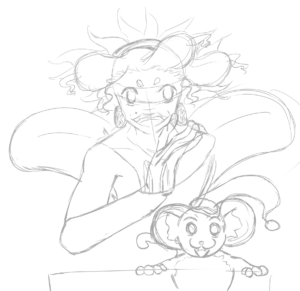
Sketch Art Ideas for Children’s Book
As for adults, the choices are much more varied, as you can choose the styles I mentioned earlier or mix them. I chose the second option because it lets me try several styles and see which best conveys the energy I want for my OCs. But after trying a more realistic approach, I noticed my characters stand out more.
I want to avoid having the same look if you were to shave them off.
Second Step: Understanding the Personality to Adopt Your OC’s Style
The appearance of your original characters carries a silent meaning that readers must understand without you bombarding them with dialogues that seem forced to fill a void that should not have existed in the first place.
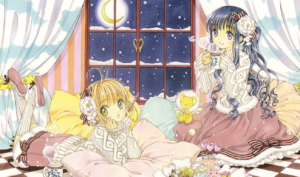
CLAMP’s illustration of Sakura, Tomoyo and Kerberos from Cardcaptor Sakura
Outfits Matter
Clothing plays a crucial role in creating an original manga character, as it’s a powerful tool for visual characterisation. Long before a character speaks or acts, their outfit already reveals certain aspects of their personality. This is a trick authors use to guide readers without constantly shouting their characters’ personalities.
For instance, if you define your main female character as having a strong or gentler personality—even if there’s a mix of both —one will always prevail; her clothing will determine whether she’s a delinquent, a tomboy, or an adorable character.
Pay attention to any art work and you will notice that clothing style is significant!
Generally speaking, a young woman with a gentle temper is often depicted wearing dresses, either favouring short or long garments—it’s up to you to decide what suits your character best.
Let’s take Tomoyo Daidouji and Sakura Kinomoto from Cardcaptor Sakura as an example. Both elementary school girls are adorable—I don’t see anyone who could object—but you’ll notice the difference in their clothing choices. Tomoyo has a very elegant style that reflects her social status, because, remember, she comes from a wealthy family; her mother manages a toy manufacturing company, and the choice of long dresses and skirts that reach her ankles makes perfect sense. Even so, she remains incredibly adorable.
As for Sakura, unlike Tomoyo, she wears a more varied style, including dresses, shorts, and skirts. However, you’ll notice that her clothing is primarily shorts; this makes sense when you consider that Sakura has to ride her stick to fight Claw‘s cards. It would be awkward for her to move around if she wore dresses or long skirts like her best friend.
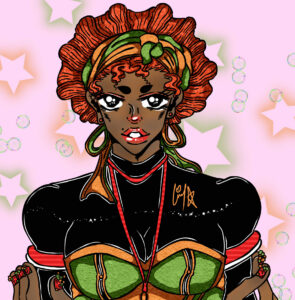
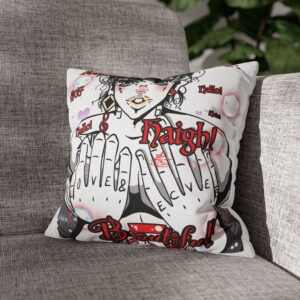
CindyMBK’s illustration of Kayla Ilunga
Conversely, a strong-willed female character will tend to adopt a bolder wardrobe, expressing either an assertive sensuality or a desire to break free from the codes traditionally associated with femininity, particularly through a more sporty style or original silhouettes.
Kayla Ilunga, in my work AWWWL, illustrates this approach perfectly, and taking inspiration from how I created this character will give you some tips for anime character design.
A young adult with a determined personality, Kayla knows what she wants and isn’t afraid to assert it. Her clothing style is both sexy and elegant, reflecting her confidence while hinting at her social status; hence, she often wears flared trousers, a cut that enhances her sophisticated look. However, these trousers are often open at the sides, revealing her legs and accentuating the character’s sensuality without compromising her elegance.
This approach draws inspiration from CLAMP’s manga, as many of their female characters embody a mature, confident femininity. Characters like Karen Kasumi and Kanoe from X/1999, as well as Yūko Ichihara from xxxHOLiC and Tsubasa: Reservoir Chronicle, possess a refined style of dress that contributes significantly to their identities. Their appearance conveys a controlled sensuality, perfectly aligned with the personalities CLAMP imbues them with, demonstrating that clothing constitutes a true narrative language in character design.
Which of these anime character design tips will you adopt first when launching your manga?
